
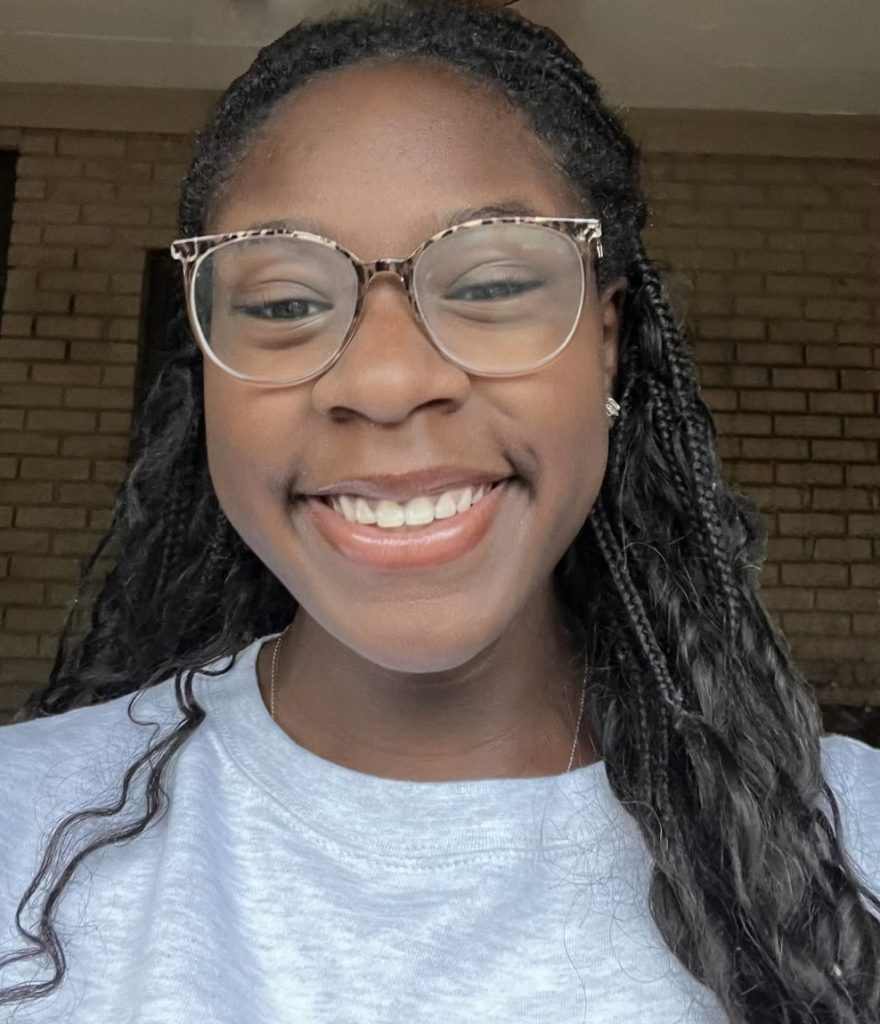
USTA Southern holds an essay contest for all of the National Junior Tennis & Learning chapters throughout the section. Alabama’s very own Dayton Agee won this year, and I think you’ll see why after reading it. Dayton is a part of the James Lewis Education & Tennis Foundation NJTL in Birmingham at George Ward Park.
2026 NJTL Essay — Dayton Agee, 10thgrade
What I find meaningful in my life is being given the opportunity to mentor younger athletes through tennis. As a teenager in such an influential generation, I never expected to become someone others would look up to. Over time, though, I realized that leadership is not always about being the loudest person on the court or the most naturally outgoing person on a team. And it’s not even measured only by titles, rankings, or awards. Sometimes it is simply about showing others what is possible through your actions, attitude, and consistency.
Tennis taught me discipline and independence, but mentoring younger players taught me something even more important: how to make others feel supported. Younger athletes paid attention to everything I did, from the way I practiced to the way I responded after losing points or struggling during matches. As time went on, many of them became comfortable coming to me for advice or reassurance at any moment, even for questions they worried might sound “dumb.” I wanted to be someone they could talk to without feeling judged. Creating that kind of environment showed me that leadership is not only about skill or experience. It is also about making people feel respected, comfortable, and confident enough to ask for help.
Because tennis is such an individual sport, confidence can affect every part of a player’s performance. I realized that the way I carried myself could influence younger athletes more than I thought. Simply staying composed during difficult matches, encouraging teammates during practice, or taking time to help someone improve a skill became small actions that carried a big impact. In a sport where many younger athletes do not always feel like they fully belong, I learned that simply being visible, encouraging, and consistent can quietly inspire confidence in others.
Over time, it seemed that mentoring younger players impacted me just as much as I impacted them. I always thought that I was socially awkward and naturally quiet, so speaking up and leading conversations did not come easily to me. However, once younger athletes began trusting me and looking up to me, I slowly became more confident in myself. I learned how to communicate better, encourage others, and step outside of my comfort zone. Leadership stopped feeling like pressure and started feeling like purpose.
There was a moment when a younger player told me that watching me compete and seeing how I carried myself on the court made him believe he could improve, too. That comment stayed with me because it made me see that sometimes the greatest impact can come from helping another person believe in themselves.
Working with younger athletes changed the way I view leadership and personal growth. Growing up, I thought “having great leadership skills” applied only to adults who were naturally outspoken or confident. Tennis taught me otherwise. I learned that displaying leadership has nothing to do with age, but it can show up in anyone who approaches their peers, teammates, or mentees with consistency, resilience, patience, and the ability to support others even in small moments. I want to continue being someone who encourages others through both my words and my actions. Mentoring younger athletes through tennis taught me that confidence is built through responsibility, and leadership becomes most meaningful when it helps others grow alongside you.